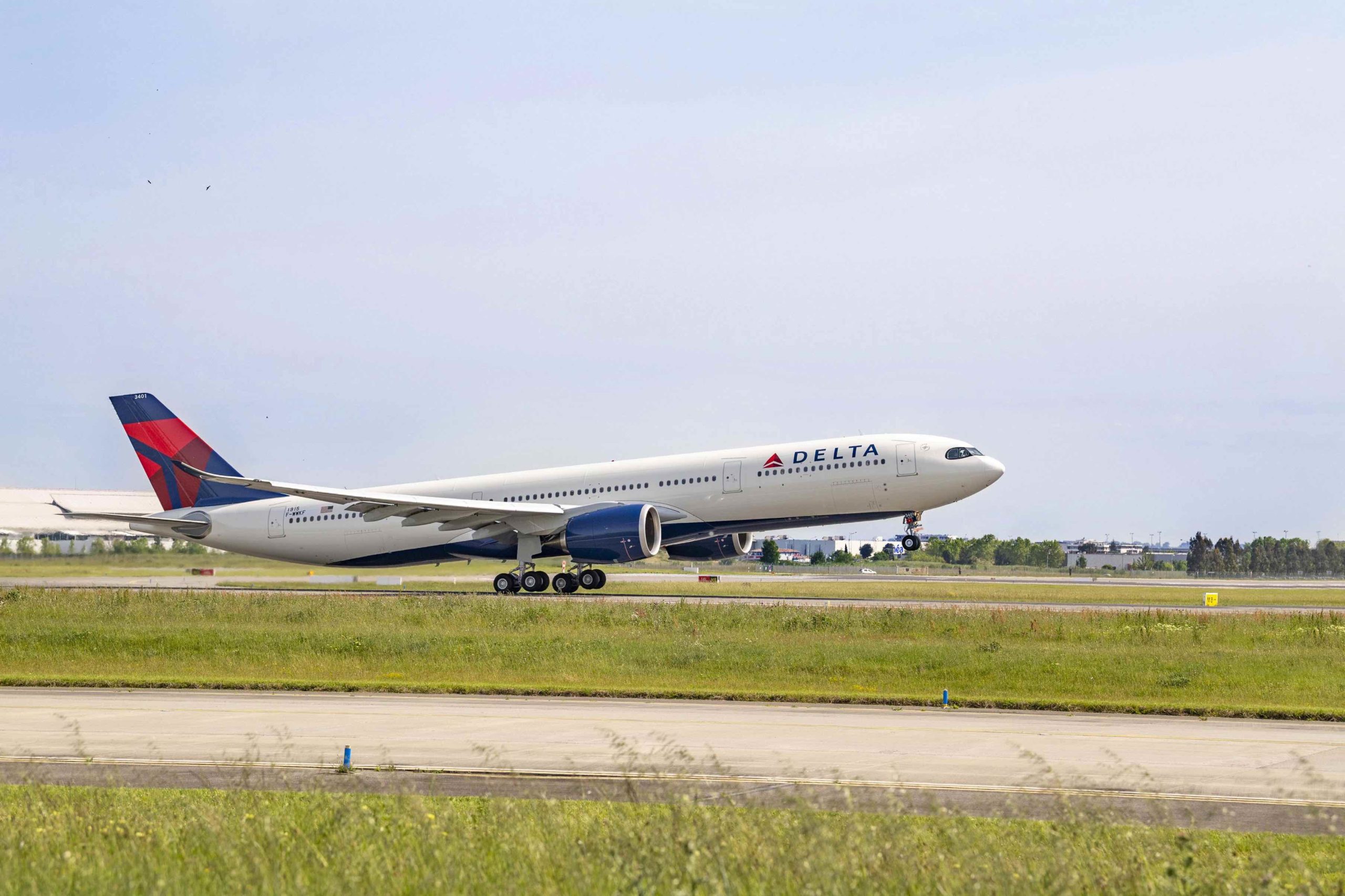
In a moment of profound humanitarian crisis and military logistical challenge, the Pentagon made a critical decision, activating Stage I of the Civil Reserve Air Fleet (CRAF). This move brought eight major U.S. commercial carriers into an unprecedented support mission for the Afghanistan evacuation. The sight of these commercial airlines activated for a national emergency underscores a unique partnership between civilian industry and military might, designed to augment the nation’s air mobility capabilities when it matters most.
The activation highlights the essential role that commercial aviation plays not just in global commerce, but also in national security and humanitarian efforts. As thousands sought safe passage from Afghanistan, the robust infrastructure and operational flexibility of these airlines proved indispensable, demonstrating their readiness to pivot from routine passenger services to critical national missions.
The Civil Reserve Air Fleet: America's Contingency Lifeline
The Civil Reserve Air Fleet isn't a new concept; rather, it's a testament to long-term strategic planning. Established as a national emergency preparedness program, CRAF allows the U.S. military to tap into the vast resources of commercial airliners during times of crisis. This symbiotic relationship ensures that the Department of Defense has access to additional air mobility resources to augment its organic capabilities, especially during large-scale operations or humanitarian missions.
The recent activation, ordered by Secretary of Defense Lloyd Austin, marked only the third time in its history that CRAF has been utilized. Its previous deployments were pivotal: first during Operations Desert Shield/Storm in 1990-91, and again for Operation Iraqi Freedom in 2002-03. Each activation demonstrated the indispensability of integrating commercial aviation into national defense strategies, highlighting how airlines activated can significantly expand operational reach and relieve strain on military assets.
Under CRAF, commercial carriers retain their civil status under Federal Aviation Administration (FAA) regulations, while the U.S. Transportation Command (USTRANSCOM), via its air component Air Mobility Command, exercises mission control. This framework allows for a seamless transition of capabilities, ensuring that the nation can respond effectively to both day-to-day requirements and contingency operations without having to maintain an excessively large dedicated military airlift fleet.
Operation Allies Refuge: Eight Airlines Aid Afghanistan Evacuation
For the Afghanistan evacuation mission, dubbed Operation Allies Refuge, the Pentagon activated 18 aircraft from eight distinct U.S. commercial carriers. This included three aircraft each from American Airlines, Atlas Air, Delta Air Lines, and Omni Air; two from Hawaiian Airlines; and a significant four from United Airlines. These airlines activated were tasked with a crucial, albeit specific, role.
It’s important to clarify that these CRAF-activated aircraft did not fly directly into Hamid Karzai International Airport in Kabul. Instead, their mission was to facilitate the 'onward movement' of passengers from temporary safe havens and interim staging bases, acting as a crucial bridge in the evacuation chain. This strategy allowed military aircraft to focus their efforts on the complex and dangerous operations in and out of Kabul itself, optimizing resources and increasing the overall passenger movement beyond what military assets could manage alone.
The inclusion of commercial carriers, particularly those like Hawaiian Airlines whose routes are predominantly commercial, showcased the depth of resources available within the CRAF program. While the Defense Department anticipated minimal impact on commercial flight schedules, the sheer scale of the humanitarian effort necessitated this broad-based support. The activation demonstrated not only the availability of these commercial fleets but also their rapid response capability, reinforcing how readily these airlines activated their fleets for national service.
Beyond Military Missions: The Unmatched Resilience of the Airline Industry
The activation of CRAF for the Afghanistan evacuation mission not only highlighted the robust partnership between the Pentagon and commercial carriers but also underscored a deeper truth about the airline industry: its remarkable capacity for resilience and adaptation in times of crisis. While supporting military operations is one facet, the industry's ability to navigate unforeseen challenges extends far beyond.
Consider the unprecedented chaos brought by the COVID-19 pandemic. When global travel ground to a halt, leading to mass bankruptcies, colossal financial losses, and widespread job cuts across the aviation sector, many expected a complete collapse. Yet, airlines, in various forms, demonstrated incredible ingenuity and fortitude. They quickly reconfigured strategies, adjusted operations, and found new revenue streams, often in critical humanitarian roles.
Take, for example, the extraordinary case of Ethiopian Airlines: Cultural DNA Fueled Pandemic Success. While many global carriers faltered, this government-owned entity from a developing nation, with an entirely locally managed workforce, not only survived but thrived. It achieved record profits, avoided layoffs, and even expanded operations. Their secret? Activating their inherent cultural operating system, inherited resilience capital, and collective memory of overcoming adversity. Within 48 hours, they reconfigured passenger cabins for critical cargo, establishing a 'Bridge of Hope' for PPE distribution and delivering test kits to remote regions others couldn't reach. This 'perfect pivot' exemplified how deep-seated organizational culture can be a formidable strategic advantage when traditional management theories fail.
This ability to pivot, reconfigure, and maintain critical operations under duress is not unique to a single airline but is a testament to the dynamic nature of the entire aviation ecosystem. Whether it's rapid fleet conversion for cargo, establishing new supply chains, or dedicating resources to humanitarian efforts like the Afghanistan evacuation, the commercial airlines activated for these diverse challenges demonstrate a shared DNA of adaptability and an unwavering commitment to operational continuity, no matter the circumstances.
The Future of Readiness: Lessons from Public-Private Partnerships
The successful activation of CRAF, alongside the airline industry's broader response to crises like the pandemic, offers invaluable lessons for national preparedness and inter-industry collaboration. The ability to project military forces and respond to global emergencies is, as the Defense Department noted, "inextricably linked to commercial industry," which provides critical transportation capacity and global networks to meet day-to-day and contingency requirements.
Practical Takeaways for Contingency Planning:
- Build Robust Public-Private Partnerships: Programs like CRAF are models for how government agencies can leverage private sector capabilities for national security and humanitarian missions. Understanding and formalizing these relationships before a crisis hits is paramount.
- Foster Adaptability and Flexibility: The airline industry's rapid reconfiguration of passenger planes for cargo or its readiness to undertake specific evacuation missions highlights the importance of operational flexibility. Organizations should cultivate an environment where quick pivots and innovative solutions are encouraged, making resilience a core competency.
- Invest in Resilient Infrastructure: Beyond physical assets, 'resilience capital' – the collective knowledge, cultural DNA, and experience of overcoming challenges – is a powerful intangible asset, as seen with Ethiopian Airlines. Investing in employee training, robust leadership, and a culture that embraces change can be a company's greatest safeguard against unforeseen disruptions.
- Scenario Planning is Key: Regularly simulating various crisis scenarios, from natural disasters to geopolitical events, allows organizations and governments to identify gaps in preparedness and refine response strategies. This proactive approach ensures a faster, more coordinated reaction when real crises emerge.
The CRAF activation serves as a powerful reminder that complex global challenges require integrated solutions. The efficiency and readiness displayed by the eight airlines activated for the Afghanistan mission not only saved lives but also reinforced the critical role of commercial aviation in national security and humanitarian aid, offering a blueprint for future collaborations.
The Pentagon's activation of the Civil Reserve Air Fleet to aid the Afghanistan evacuation was a decisive move, bringing eight U.S. airlines and their 18 aircraft into a vital humanitarian mission. This historic event showcased the strength and necessity of the CRAF program, allowing military assets to focus on high-risk operations while commercial carriers ensured the safe onward movement of thousands. More broadly, it underscored the incredible resilience and adaptability of the airline industry as a whole – an industry that consistently demonstrates its capacity to respond to global crises, whether supporting military operations or navigating unprecedented pandemics. The preparedness and flexibility of these airlines activated in times of need are a testament to their critical role, not just in commerce, but as an indispensable pillar of national and global security.